Novel Coronavirus, an Effective Way to Reduce Danger
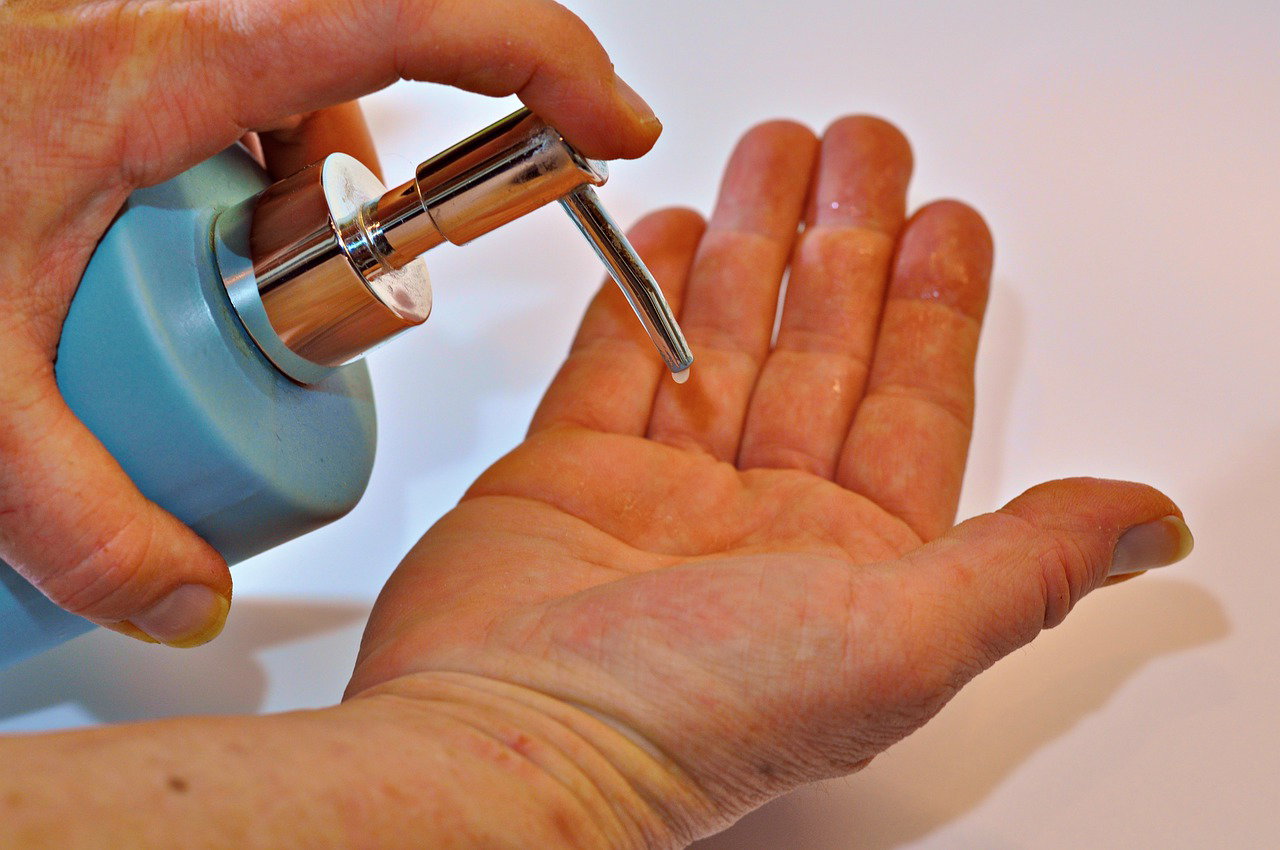
Disinfection Technology is the implementation of various methods to prevent and cleanse environments. Some common disinfectants used are chlorine, bromine, ozone, hydrogen peroxide, or other organic compounds. They are usually placed in vapor or liquid form for application to surfaces. They can also be sprayed, placed on objects or mailed through the mail. The application method depends upon the need for the particular environment, and different places have different needs. Here are a few examples:
In the drinking water industry, disinfection technology is used to kill or remove E-coli bacteria, which can cause immediate illnesses such as diarrhea, nausea, and vomiting. The majority of these bacteria are present in publicly treated sources, and the treatment facilities must be maintained in good order to keep people healthy. In the food and pharmaceutical industry, there are worries about the transfer of pathogenic bacteria from one food product to another, and there are also concerns about the possible contamination of raw water sources. Get more details about disinfection technology on this link: https://patho3gen.com/.
A bio-medical waste stream contains a variety of biological materials, including drug residues and blood. It may contain hazardous materials such as organophosphates, benzene, cadmium, mercury and asbestos. Disinfection technology is used to remove these hazardous and potentially lethal substances from the stream. One of the most common ways to deactivate and remove pathogenic organisms and contaminants is through incineration, but this process leaves a byproduct called co covid-19. It's a highly toxic chemical that's been banned in the European Union, Australia, New Zealand and many other locations.
According to the European Union, all hospital wastes must be incinerated or disposed of via a special purpose machine called a field dehumidifier. If this technology is not used, then hospital wastes will not be properly disposed of and could pose a health risk to individuals who come in contact with it. The EPA and other regulatory agencies have also set quality standards for hospital wastes, and they require manufacturers to make sure they are meeting those standards. In order to be successful at meeting these standards, manufacturers will need to build facilities that are designed to manage large-scale waste emergencies.
The primary goal of drinking water disinfection technology is to reduce the threat posed by infectious micro-organisms, like viruses and bacteria. For example, researchers have found that cryptosporidium can grow in water sources even after treatment. This organism is resistant to chlorine, even when it's used in high doses, and has been found in multiple water sources across the country. Researchers know more about this cyst than anyone, but until they can safely dispose of it, cryptosporidium is a huge problem. You can read more about disinfection on this page.
Disinfection technology for hospital and home use is complicated, but it is necessary to prevent people from getting sick from harmful germs. If a hospital or home contains the bio-medical waste product of a bio-medical technician, for example, an open tank system may not be enough to protect the public. Because most tanks are now considered to contain at least a certain level of bio-medical waste - anywhere from a few gallons to hundreds of gallons - it's important to consider the different options available. By using a novel coronavirus to kill off a particular pathogen, one can reduce the overall threat of illness and disease by more than fifty percent. For more info about this topic, click here: https://en.wikipedia.org/wiki/Infection.